
All posts by admin
Can Algae Biodiesel Really Benefit Mankind?
The subject has been a widely discussed topic among many environmentalists and conservationists in the hope of finding a way to reduce pollution and damage to the environment. We all want a greener, healthier world to live in. And yet we have all fallen victim to the works of giant corporations who desire to have more profits at the expense of our delicate ecosystem. Fossil based fuels that are mined off the grounds deep beneath the surface of the Earth has created tremendous pollution in the air we breathe today. In the hope to create a better and more comfortable world, we have ended up with massive environmental damage which is caused by the burning of those fossil based fuels.
So how do we find a viable solution for this? Find an alternative energy source that is safer and more environmental friendly. The best solution at this point to end the world hunger for energy seems to be biodiesel.
How and where can biodiesel be created?
Biodiesel can be created from raw materials anywhere even right in you own home. Yes, you can actually create your own fuel to use as energy without having to own an oil reserve to do it. In fact, you can even use your own used cooking oil as the base material. This has created a relatively new industry where companies hunt for used cooking oils from restaurants and bakeries that uses deep fryer to cook. By buying up these used oil which would be discarded anyway, companies are making it to process biodiesel in large quantities which makes it a more cost effective way to produce these biodiesel.
The problem with used oil is these are not as easily used as those freshly squeezed oil. They need to be mixed and stored. Then you’ll need to dewater and filter it to remove the impurities. Finally it needs to be titrated before it can be processed into biodiesel. Therefore if you are thinking about using used oil to create your own home based biodiesel, consider going for fresh sources if you are new to this.
So what do you do if you are looking for a more cost effective way to produce biodiesel right at your own home without having to purchase expensive oils to do it? Try algae. Yes algae to biodiesel are the perfect solution to create your own home based biodiesel.
Algae to biodiesel is an amazing concept considering the ease of cultivation and the low cost of getting those algae. Algae is very easy to grow and can exist in places where there is only water sunlight and carbon dioxide. If you don’t have a pond in your home, you can invest in those canvas style tanks that would let you cultivate your own algae to harvest every day. What you need is the right fools and the correct manual to help you create your own biodiesel from algae.
Getting to Know Algae Biodiesel
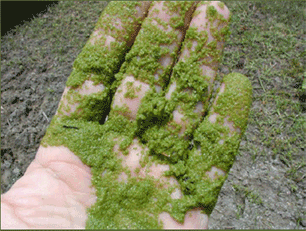
Algae biodiesel is normally processed from a type of algae that are found growing on the surface of ponds. Popularly known as the pond scum, these types of algae species is the most sought after to be used in making biodiesel from algae. These forms of algae to biodiesel fuel are highly viscous but nevertheless they would depend on the type of the algae being used to create the biodiesel fuel. The best thing about these forms of fuel is they are a marvelous form of renewable energy and does not produce and known toxic or harmful emissions that can harm the environment.
Algae biodiesel is created by a process referred to as transesterification. Basically it is a process that transforms vegetable and plant oils into biodiesel. Making algae biodiesel involves a chemical reaction between triglyceride molecules with complex fatty acids, getting rid of the glycerin and produces ester form alcohol. Now the ester is mixed with the oil pressed form these plant sources and left to settle. Once the glycerin is separated for the mix, you will have the biodiesel floating at the top of this mixture.
So What’s Stopping People from Using Algae as Biodiesel?
To make biodiesel from algae, one would need to have the right know-how plus the correct tools to do it right. Making algae from biodiesel isn’t as simple as getting juice out of oranges but it is not that complicated either. With the right knowledge, it is believed that algae from biodiesel are possible right out of your own home. Getting the strains of algae for biodiesel production is another challenge to conquer. Additionally, it is very easy for other forms of algae to invade the space that is used for the cultivation of the algae for biodiesel is another factor to consider.
Considering the limited amount of land to use for cultivating enough algae for biodiesel production, scientists are looking at ways to utilize the open seas to cultivate algae biodiesel plant to be used in the production of biodiesel from algae.
Algae Biodiesel Research
There are plenty of research done and currently under progress for algae biodiesel. Scientists all over the world are actively conducting tests upon tests of the feasibility of using algae as biodiesel to replace the petroleum or gasoline in the near future. Similarly the cultivation of algae for biodiesel is growing sat an encouraging pace, propelled by the escalating cost of gasoline prices all over the world. Private companies too are quick to jump onto this opportunity and searching for the best and lowest possible cost of turning algae into biodiesel.
If you are enterprising and adventurous there are special DIY kits or instructional guides that could help you create your own algae biodiesel right in your own home. The best thing is you don’t have to invest in expensive biodiesel equipments to get it done right. Just some simple stuff you can get from the local stores plus equipments that may already be present in your home, you can turn your own kitchen into a biodiesel DIY haven!
How to Overcome the Disadvantages of Biodiesel
There is a rising concern among Americans to find a more reliable and safer source of fuel to replace those we are using now which is made from fossil based fuels. This is caused by the growing concerns over the fast depleting supply of underground fuel and the rising prices of oil. Additionally most of these fuels are imported from foreign countries that have been subtly linked to supporting sporadic acts of terrorism worldwide.
To accommodate these challenges, there are a few solutions up there that may put an end to this rising concerns. We turn to other sources of alternative energy to reduce the dependence on fossil based fuel. Yet how effective are these solutions? Are they practical and can they be implemented on a larger scale. The answer is yes and the most popular form of alternative energy around is bio fuels. These are totally renewable sources of energy that can easily be replenished. Let’s look at biodiesel a little close and how they can help alleviate our problem of fuel dependence.
Biodiesel are fuel made from biomass which would include oil from plant or animals including used oil or a combination of both. As much as we would like to believe that these green fuels would the problem we have will remove our dependence there are also some other issues that need to be considered as well.
- Shortage of Land
Growing crops that are specifically targeted for the biodiesel industry creates a shortage of land and resources that would otherwise be used to grow food. This would add to the problem of world food shortage and exacerbates the problem. The best way to overcome this would be o use a more natural way to get those raw materials for making biodiesel. Algae biodiesel seems the perfect choice for this. It can grow literally anywhere even on land which is unsuitable for growing other types of crops.
2. Energy to Grow Plants
Growing those plants for biodiesel purposes involves more than just panting those shrubs. You’ll need extra resources to care for them, apply fertilizer and finally harvest and process them. This is another actor that needs to be taken into consideration when conceding biodiesel as the fuel of the future. Again, algae colonies seem to be free from this issue. You can cultivate algae easily. It just needs three things to survive and thrive-water, sunlight and carbon dioxide. It is the perfect solution to those who live in heavy industrial areas where there is excess of carbon dioxide o the air. Also these tiny plants grow well even in sewage area. It can turn waste water into lipid that are high in oil and energy power.
- Limited Use
Biodiesel can only be used on cars and vehicles that run on diesel. This makes it very limited. Until everyone runs cars on biodiesel engine, the usage of these fuels can be strictly limited to hybrid cars or cars that are modified to allow for these fuels to run smoothly into the combustion chamber. This solution would take a few years to implement, but we need to create a technology that would convert that biodiesel fuel into gasoline or to convert the existing engines to run on biodiesel.
65% of algae producers said they plan to expand capacity in 2012
A new survey of the algae industry conducted by the Algae Biomass Organization (ABO) shows algae companies are increasing production in 2012, they expect to be price-competitive with petroleum fuels by 2020, and that stable and effective Federal policy would accelerate production and job creation.
The survey of more than 380 algae industry contacts shows a rapidly growing sector: 65 percent of algae producers said they plan to expand capacity in 2012 as they work to provide the U.S with new sources of sustainable, domestically produced fuels.
Respondents are optimistic that algae biofuels will be commercially available and competitive with fossil fuels by 2020, with 90 percent believing that it is at least somewhat likely, and nearly 70 percent believing it is moderately to extremely likely. Nearly 20 percent believe fuel will be $1.50 per gallon or lower while nearly 50 percent believe it will be less than $3.00 per gallon by 2020.
Algae biodiesel company to produce biodiesel at $2/gallon at commercial scale
AFS BioOil announced that initial tests conducted by the company since startup of the system confirm that production costs of biodiesel will be in the range of $2 per gallon when produced in a commercial system of 1 millon gallons/yr and greater.
AFS BioOil was formed in 2010 as a spin out of Algae Floating Systems, Inc. The company is focused to use AFS technologies to produce traditional biodiesel via the transesterification of algae oil. The strategic goal of the company is to become a major algae biodiesel supplier.
Biodiesel from Algae: Can Algae Save the Day?
Biodiesel from Algae may be a group of slimy, unattractive inhabitants of ponds, pools and sewage areas but do you know that these aquatic plants can be harvested and turned into fuel for mankind? Specifically,  these plants can be used as an important element in the creation of biodiesel? Yes, there are many researches being done now to explore the possibility of turning algae into biodiesel to replace the old depleting sources of petroleum based fuels. The rising cost of gasoline has added to the enthusiasm to find a more and natural alternative of energy. Men has been relying too much on gasoline based energy in the last millennium that the natural sources found beneath the surface of the earth is fast depleting. In fact scientist estimate that it takes less than one hundred years from now for those sources to dried up totally.
These aquatic plants are either simple unicellular or multicellular eukaryotes that are classified a aquatic pants even though they lack the necessary features present in most plants today. They dolts have leaves, roots or branches but they do posses the one important element that is exclusive to the plant kingdom-the ability to produce its own food through the process of photosynthesis.
Therefore algae play a very important role in the ecosystem of the food chain. These tiny aquatic plants serve as food for small fish and marine life and other microorganisms living in the aquatic areas. Perhaps you may be aware how the spirulina algae are used as a sensational health food product back in the late 1990’s. These are spiral like algae that are harvested from the wilderness and cultivated in ponds across the world, due to its high enzymes and mineral contents. The humble algae plays an important role I the history of mankind since ancient, times, they are harvested as food sources and in this decade, scientists are looking at algae as a possible solution to end the worldwide hunger for energy or gasoline based energy that is fast depleting from the Earth as the day progresses.
Today the algae is showing great promise of becoming an important element to save the earth and end the worldwide phenomena of depleting natural resources due to oil supplies drying up. Algae seem set to save the day again. They are very easy to cultivate and need only water, sun light and carbon dioxide to grow and flourish. Additionally, when algae are turned into biodiesel, it consumes carbon dioxide and thus helps to keep the air clean and healthy.
The challenges are there too. Scientists are finding a way how algae into biodiesel can be done without incurring too much cost for the manufacturer. Right now, the technology is at a point where mass production of algae is extremely costly. There has to be a way to finally reduce the multiple steps taken to turn these slimy creatures into usable fuel. Research is on its way and it is on a matter of time before the next breakthrough happens.
With all of this features and more, it seems that the good old algae is set to be the next sensation to sweep the world when the process of algae into biodiesel is finally optimized and all challenges that stand between mass algae biodiesel production is finally conquered.


Brazil to build first algae-based biofuel plant

Two Types of Biofuel

The need to look for alternative sources of energy that is more cost effective is on the rise these days. As gasoline prices continues to soar, the need for a cheaper and mire reliable source of alternative energy is  growing rapidly. Basically two forms of biofuel can be created from vegetable of animal fats-bioethanol and biodiesel. These are two different types of fuels that can be produced from biomass.
Let’s look at how bioethanol is created. There are two parts that are involved- hydrolysis and fermentation. The most common way to produce bioethanol would be to use sugar, water and yeast and allowing the solution to ferment in warm conditions. This mixture will gradually turn into a liquid that has fifteen percent alcohol. Finally the yeast will consume itself and dies out and thus stopping the process of fermentation altogether.
At this point, the liquid mash is distilled and purified o get a ninety nine percent bioethanol solution. This is a relatively simple process where sugar is turned into ethanol. Yeast that feeds on that sugar causes fermentation to occur and ethanol would be the result of this process.
The process of fermentation converts sugar or carbohydrate into ethanol and water. The process can be shown by the equation below.
C6H12O6 (glucose) —> 2 CH3CH2OH (ethanol)+ 2 CO2 (carbon dioxide) .
Now let’s look at how biodiesel is produced. Biodiesel is the product of oil extraction from biomass such as plant or vegetable and even animals, usually oil from core or soy is based in the production of biodiesel, which causes a cry of alarm from the worldwide population due to the fear of ever increasing food prices. Early last year, a company based in Texas became the first ever to launch into a large scale biodiesel from algae, which is a great way to obtain oil from biomass without sacrificing the food sources.
Algae are colony of wonderful organisms that can thrive under the most extreme conditions where other life forms have perished. It only needs there things to survive-water, carbon dioxide and sunlight. This makes the lowly algae a perfect solution for biodiesel production. These green plants that are either unicellular or multicellular are rich in lipids or oils which make it great as the raw material for biodiesel production. Algae into biodiesel have been regarded as the best and possible solution to end the world dependence on foreign imports of fossil based fuels. Algae has been cultivated in large ponds by private companies as research is being done actively to find out the best way to extract oil from these organisms that would yield in the best output if the best quality biodiesel possible.
The research to find the best strain of algae that can be used for biodiesel production is still in progress. More advanced technique to extract the oil from algae is also being developed. But the biodiesel from algae is by far the most cost effective way to get fuel from plants or animal sources.
How Biodiesel is Made

Biodiesel is the latest way to obtain fuel from alternative sources that is both renewable and safe for the environment. Popularly known as the green fuel, biodiesel is all set to hit the country as the savior that releases us off the dependence on foreign imports of fossil based fuels. As people come to realize just how dangerous it is to place our need of energy on a foreign unstable source, we have realized how important it is to find an alternative source of energy we can produce ourselves and depend fully on. Not only can we produce biodiesel in our country we can even produce it right in our own backyard!
Let’s look at one simple way how you can create biodiesel right in your own home. You would need to get the right equipments to get this right though. If you are a newbie, then start with ready made oil such as vegetable oil you can easily buy form the stress. Once you develop the skills to make your own biodiesel, you can move on to other stuff you can include.
When you are ready to start, get one liter of vegetable oil or even used oil and a spoonful of sodium hydroxide or lye (about 3.5 grams), and one fifth of a liter of methanol or methyl alcohol. Now get a glass blender. Do not use a plastic blender as these may react with methanol. Now use a digital scale to measure 3.5 grams of the sodium hydroxide. Once you get this right measure the methanol gain just to be sure you get the right amount in, precision is the to getting the results you want.
You should be wearing safety glasses, apron and protective gloves before you attempt doing this. Methanol or sodium hydroxide can burn your ski upon contact so make sure you have a glass of clear clean water near you to be safe. In some cases, the chemical reactions will produce fumes so be sure you are at a safe distance away. Now mix the solution well in a blender. This would produce a solution that needs to be used immediately.
Now you can mix the vegetable oil to this mixture. Leave it for a few hours. You will get a solution that would be divided into two parts. The top part is the biodiesel and the bottom part would be glycerin. You can use glycerin for other purposes while you save the top part for fuel purposes.
Now that you know how to make biodiesel from home, you may be interested to know that there is very low cost way of getting oil as raw material fro your biodiesel fuel. The source is from biodiesel algae which can be cultivated right at home in your own backyard. You may be happy to learn that there are complete manuals which would help you build your own algae cultivation